
It was at the obligatory post-mum-and-baby-group coffee with my 3-month-old that I realised everyone was feeling a bit lost. Many were fearful for their jobs. Others couldn’t anticipate what their job would even look like in 12 months’ time.
I am of course talking about AI.
As a marketing leader I’d been chewing over the impact AI would have on my role and had started tinkering, learning what I could in nap times. By no means a rose-tinted advocate, I felt equal parts curious and sceptical.
I’d heard about the inherent gender bias - UN News reporting that 44% of 133 analysed systems demonstrated gender bias, creating an algorithmic monoculture that impacts, among other things, hiring. That female-dominated roles were two times more exposed to genAI (ILO) only added fuel to the fire of redundancy fears for women on a career break.
Things weren’t looking better in the workplace, either. A 2024 report on widening skills gaps said 35% of women were being offered the chance to use AI in their role versus 41% of men. Women were also reportedly avoiding AI, as they are 25% less likely to use it than men (Harvard Business School). Research suggests this is in large part due to perception of AI’s societal risks (arxiv). From keeping our children safe to protecting the planet, it’s no surprise that many waiver, or out and out reject AI.
But I’d also become interested in matriarchal AI where instead of driving shareholder value, the focus is on how to best sustain life. What if by having more women, and mothers, at the table building AI, we could steer it towards better outcomes for people and planet? And who is left building our technological world if women opt out?
These were the questions I asked myself as I grappled with my first Lovable project and Claude skills and later discovered BrightonAI. I wanted to join events and hacky hours, but wasn’t able to leave my kids who would be bang in the middle of dinner-bath-bed routines to make evening events.. I connected with Co-Founder and Chair Rose Tighe and a conversation later, I had the boost I needed, and a network of potential speakers to boot. AI on Maternity Leave was born – a mid-morning event and space where we could debate these questions and learn new skills – mothers and babies together.
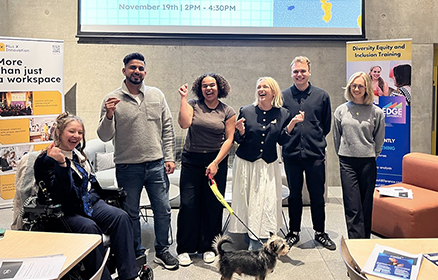
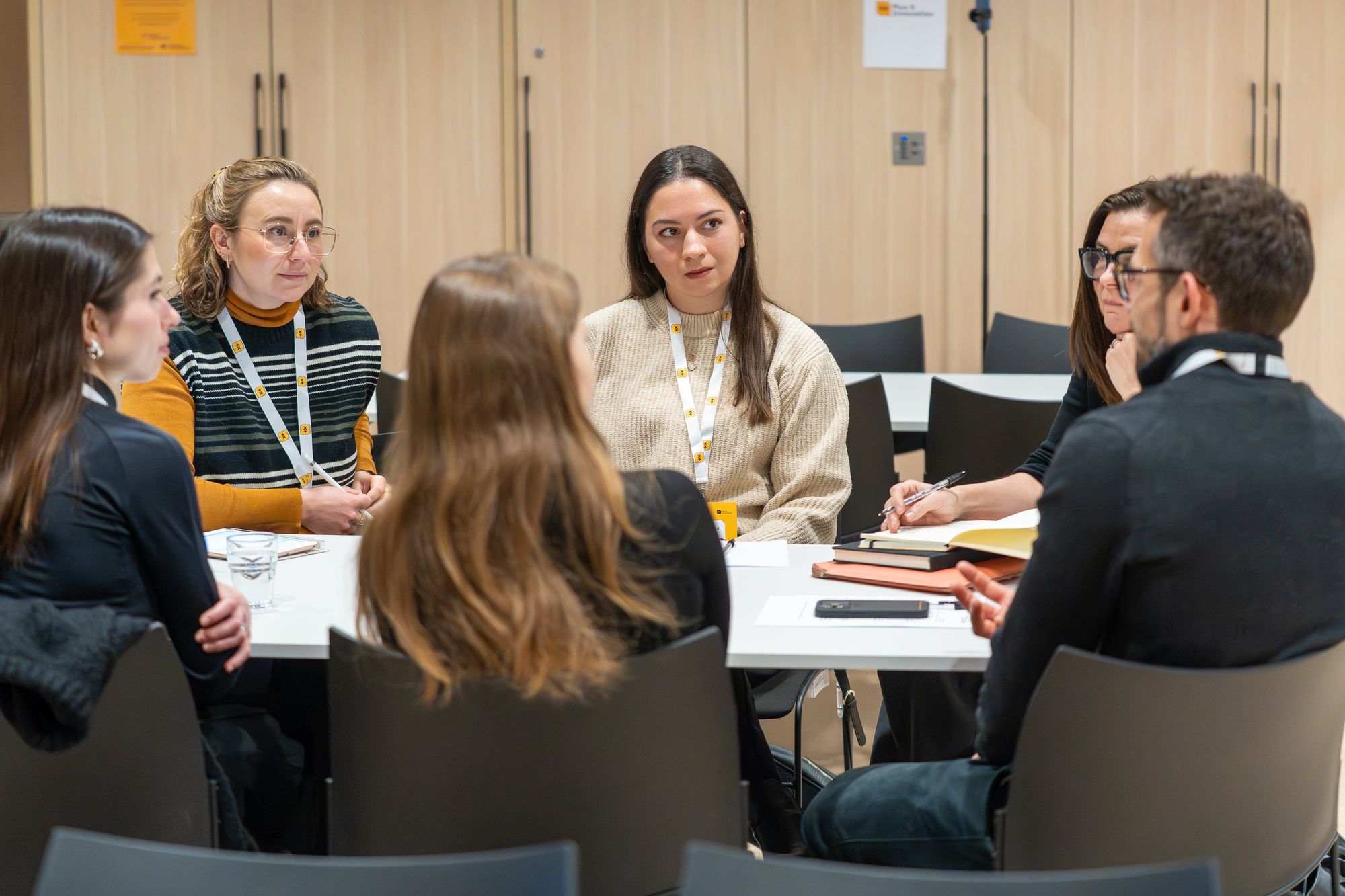
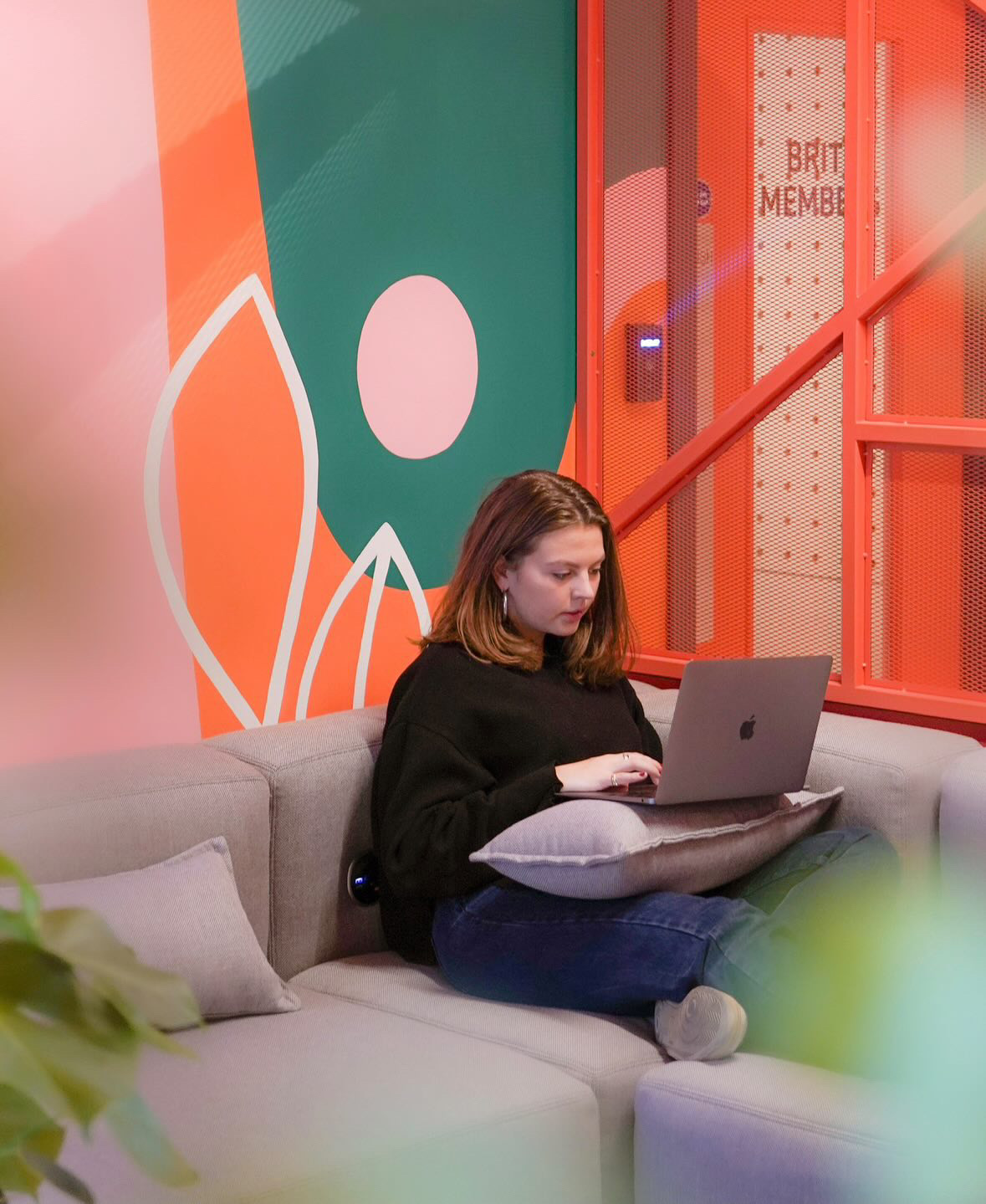
The pilot event saw 15 mums come together with digital marketing agency founder Zoe Ashford talking us through a first build, a Claude Project, and consultant Amber Foster-Blake on thinking with AI. I demoed a vibecoded app I’d built. Since then I’ve hosted two more events at Plus X Innovation, moving into the Launch Space — with room for a pram park, babies to roam and mums to get comfortable with babes in laps or laptops on table, as works for them. This is about accessibility, after all.
Returning to paid work after maternity leave is a vulnerable time: many women lack the confidence they once had. With the pace of AI developments coming thick and fast every week, suddenly taking six, nine or twelve months out of the workplace feels enormous. The result? An AI confidence gap on top of a return to paid work confidence gap. That’s why I survey confidence with AI (in a workplace context) ahead of and after every event to capture the confidence shift the events create. The pilot saw a 1.6 point increase (on a 1-5 scale) and 10 of 11 survey respondents felt “more reassured” about AI.
Such a big part of the event has become networking. That’s why events now have an optional flip chart for women to fill out their name, role, industry, baby’s age and return to paid work date so they can find an ally returning to the workplace at the same time as them, or make an equally ambitious friend whose baby is at a similar stage to theirs.
Today the WhatsApp community stands at 75 women. With repeat attendance at events a core part of Brighton’s event success (three women have been to all three events, while eleven have attended two of the three), I’m now in talks to expand the community to other cities and will soon launch an online, AI-first return to paid work programme built with a career coach, helping women learn practical skills, while giving them peer champions in their pockets via the WhatsApp. But the ultimate success for me would be even just one woman having gained the confidence to go out on her own to build something on her own terms. Early signals are there. One has told me she’s inspired to set up her own maternity leave events, another is toying with an app idea after our side hustle event, and a third announced her new role in AI innovation through a LinkedIn post that thanked the community:
“You’ve built something that shouldn’t be as rare as it is. A community of strong and exceptionally talented career-driven women returning to a world of work that changed while they were away and choosing to lead that change rather than scramble to catch up with it.”
Today women hold just 22% of AI roles (McKinsey), while specialist AI job postings rose 61% in the UK compared to last year (PwC). It’s my hope that by being proactive and learning even one new AI skill during maternity leave, women are more likely to raise their hand on returning to the workplace and create more opportunity, wealth and social justice for themselves and the next generation.